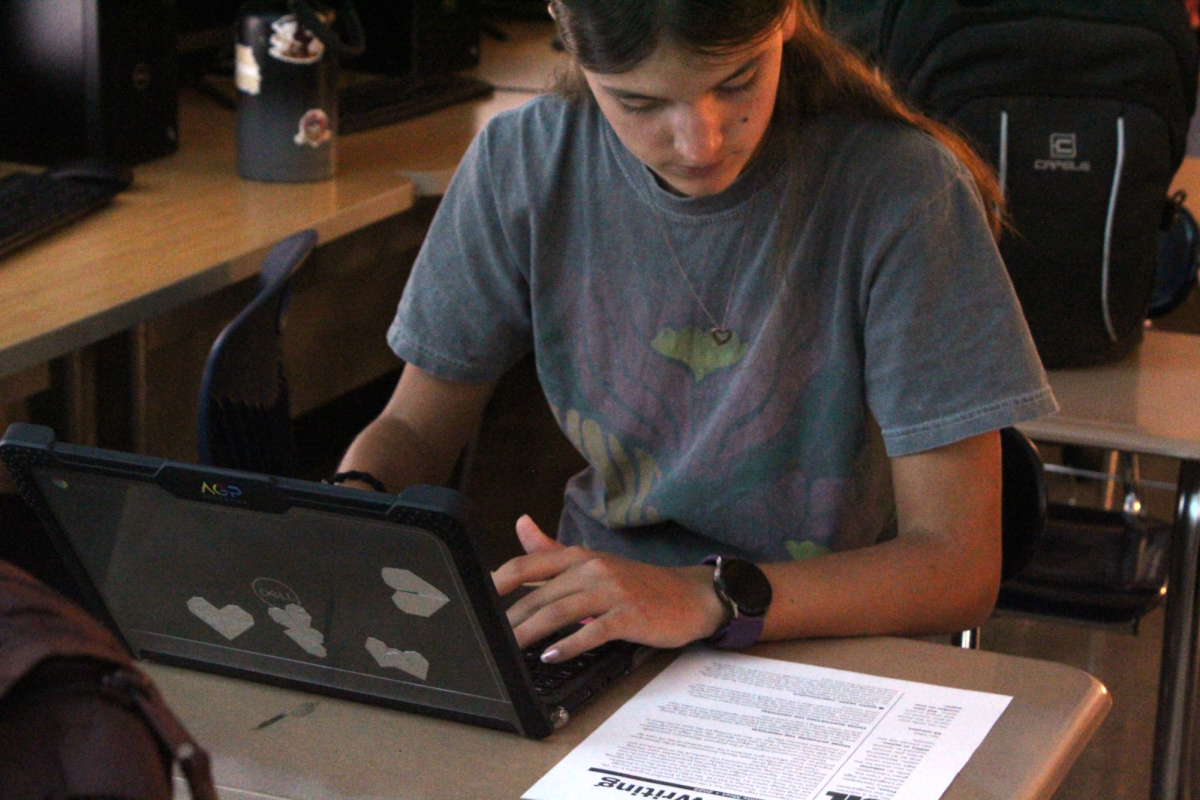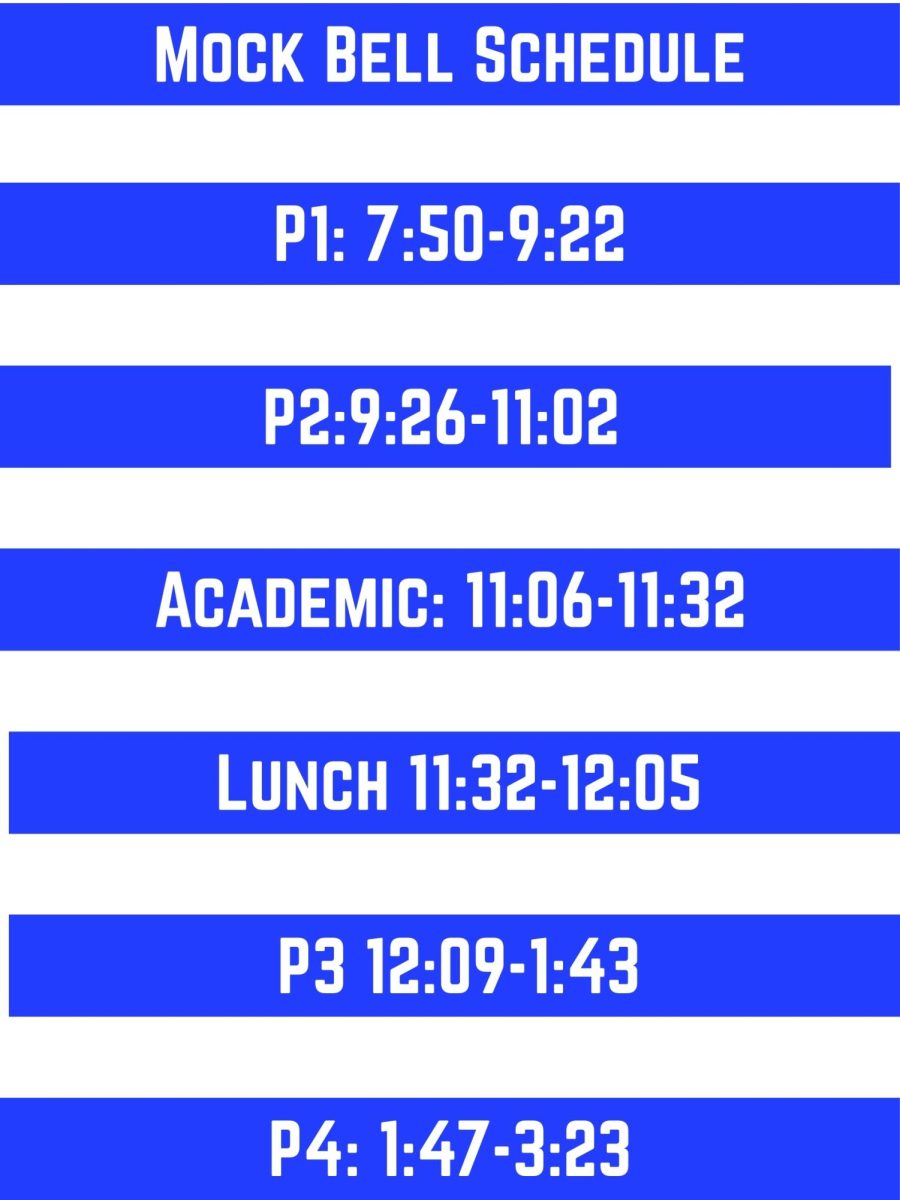
When students find an issue with a rule or a privilege taken away at school, they gather together to sign petitions, send emails, and talk with the principal to make changes.
Students have power in their voice, and it is important that they use it to make changes.
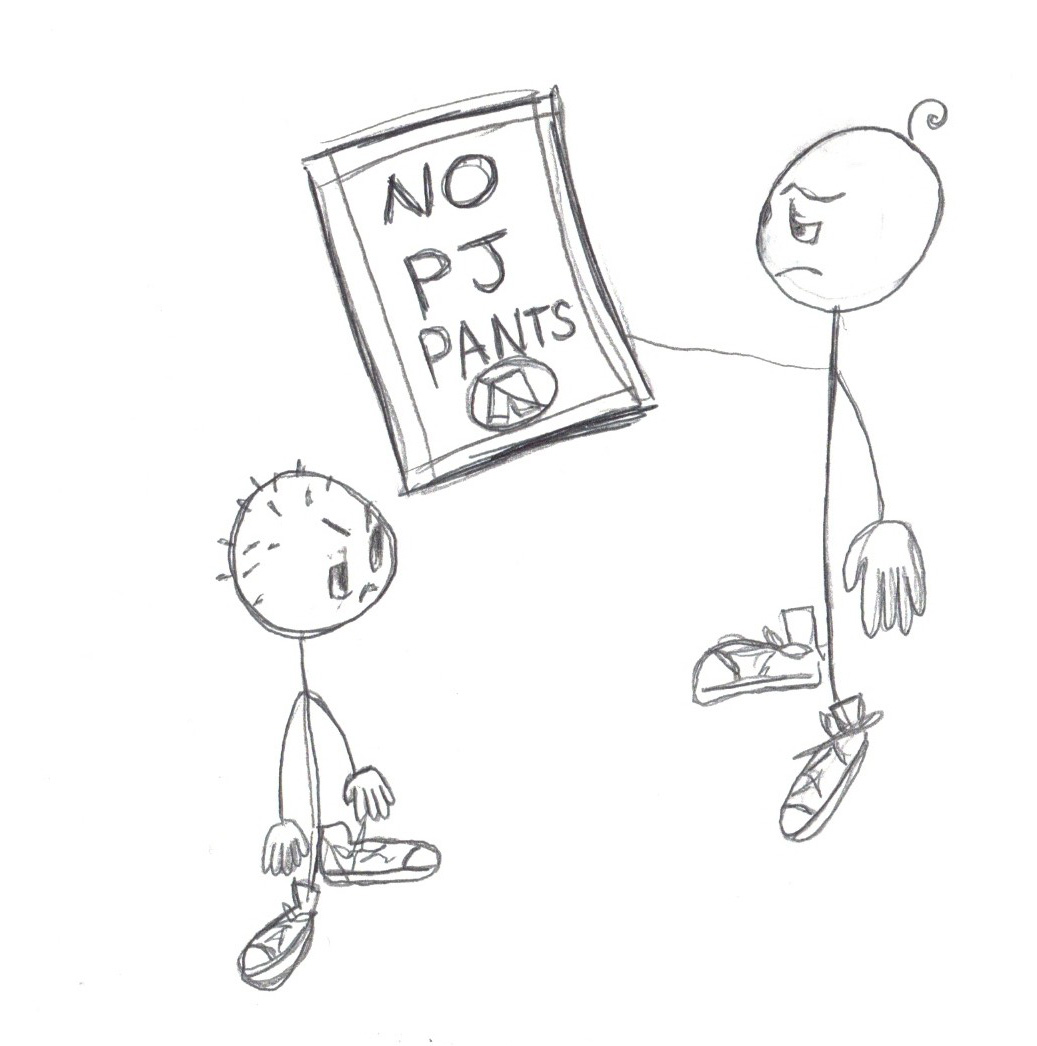
One example of students using their voice is when students expressed that administrators should allow pajama pants in the dress code. Clothing choice does not affect a student’s ability to learn nor the quality of their work, and it should not affect a teacher’s ability to teach their students. Students from all grades gathering together to present a valid reason to make a change to the dress code is an excellent use of their freedoms, as it allows students to feel more comfortable and promote self-advocacy for their wants and needs. Students don’t always have the energy to dress up nicely, and being able to come to school comfortably instead of stressing about clothing choices allows that student to be more engaged in their academics.
Additionally, students used their voices to express concerns about changes to the exemption policy. The school has had an incentive in place where if students have less than 3 days of school missed, they are allowed to use 3 exemptions on their midterm and final exams. However, recently this incentive was set to be taken away for college-level courses such as On-Ramps and AP. Students who take these more tedious courses were upset and spoke up about it through emails to the principal. Many students stated they would stop coming to school, meaning attendance rates would drop and the school would lose money. Because of this protest, the school determined that exemptions for college-level courses would be up to teacher discretion.
Students who can effectively articulate their opinions on matters at school with the principal and the assistant principals allows for an environment catered toward students and their needs. It reflects positively on the administrators that students feel comfortable enough to voice their opinions and see changes being made. For example, if there is a dilemma with another student, teacher, or a curriculum, the administrators are good at listening and finding ways for both parties to compromise and grow.
In conclusion, it’s important for students to learn to use their voices and advocate for what they believe is right and beneficial to themselves and their peers. People have freedom of speech, and it’s imperative they utilize it.